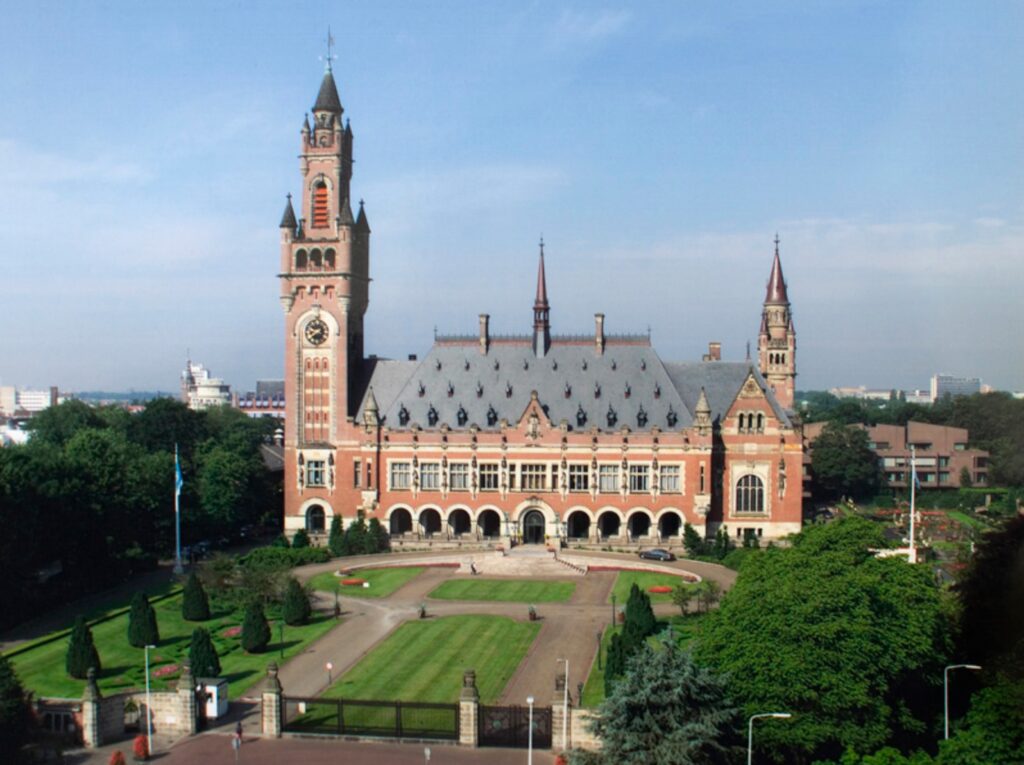
The international legal system in 2025 remained under strain as armed conflicts intensified across several regions. Reports from UN bodies, international commissions of inquiry, and credible human rights organisations documented grave breaches of the laws of war, including genocide-related acts, attacks on civilians, unlawful destruction of civilian infrastructure, torture, and enforced disappearance.
This paper analyses the most widely documented cases of international law violations in 2025 and categorises them in accordance with the relevant legal acts, including:
- Geneva Conventions of 1949 & Additional Protocols
- Convention on the Prevention and Punishment of the Crime of Genocide (1948)
- Rome Statute of the ICC (1998)
- Customary International Humanitarian Law (ICRC 2005 / Updated Practice)
- International Covenant on Civil and Political Rights (ICCPR)
1. Israel – Alleged Genocide and War Crimes in Gaza (2025)
Independent investigations in 2025 reported that Israeli military operations in Gaza resulted in:
- Large-scale killing of civilians
- Serious bodily and mental harm
- Destruction of civilian infrastructure essential to survival
- Blockade-induced deprivation of food, water, and medicine
- Attacks on hospitals and humanitarian workers
- Forced displacement of protected groups
These findings were detailed in an international commission report in 2025.
Legal Provisions Violated
A. Genocide Convention (1948), Article II
The following acts were found to be met:
- Killing members of the group
- Causing serious bodily or mental harm
- Deliberately inflicting conditions of life calculated to bring about the physical destruction of the group
- Imposing measures intended to prevent births
B. Geneva Convention IV (Civilians), Articles 27, 32, 33, 53
- Protection of civilians from violence
- Prohibition of collective punishment
- Prohibition of destruction of property not justified by military necessity
C. Additional Protocol I, Articles 51, 54, 55, 56
- Prohibition of indiscriminate attacks
- Protection of objects indispensable to civilian survival
- Protection of works containing dangerous forces
- Protection of medical units
D. Rome Statute, Articles 6 (Genocide), 7 (Crimes Against Humanity), 8(2)(b) (War Crimes)
2. Myanmar – Airstrike on Mrauk-U Hospital (2025)
In 2025, a military airstrike hit a functioning hospital in Mrauk-U, killing medical staff and patients. International observers condemned the attack as a likely war crime.
Legal Provisions Violated
A. Geneva Convention I (Wounded and Sick), Articles 18–20
Hospitals must be respected and protected at all times.
B. Additional Protocol II (Non-international conflicts), Article 11
Medical units must not be attacked.
C. Rome Statute, Article 8(2)(e)(ii)
Intentionally attacking hospitals constitutes a war crime.
3. Russia – Torture and Enforced Disappearance (2025)
The UN Commission of Inquiry on the Ukraine conflict reported in 2025 that Russian authorities carried out:
- Torture of detainees
- Enforced disappearances
- Inhumane treatment
These acts were systematic and widespread.
Legal Provisions Violated
A. Rome Statute, Article 7(1)(f), (i)
Torture and enforced disappearance as crimes against humanity.
B. Geneva Conventions, Common Article 3
Prohibition of:
- Torture
- Cruel treatment
- Outrages upon personal dignity
C. UN Convention Against Torture (CAT), Articles 1, 2, 4
4. Ukraine – Attacks on Hors de Combat (2025)
The same UN inquiry found that Ukrainian forces committed isolated incidents of attacking combatants who were already wounded or had surrendered.
Legal Provisions Violated
A. Geneva Conventions, Common Article 3
Protects persons placed hors de combat.
B. Additional Protocol I, Article 41
Prohibits attacking those who are:
- Defenceless
- Surrendering
- Incapacitated
C. Rome Statute, Article 8(2)(b)(vi)
War crime to kill or wound enemy combatants who are hors de combat.
6. Democratic Republic of Congo (DRC) – Non-State Armed Groups’ Violations (2025)
- Mass killings
- Rape and sexual violence
- Displacement
- Attacks on civilian villages
These incidents continued throughout 2025.
Legal Provisions Violated
A. Geneva Conventions (NIAC), Common Article 3
B. Additional Protocol II, Articles 13–17
Protection of civilians, prohibition of terror tactics, protection of refugees and displaced persons.
C. Rome Statute, Articles 7 and 8
Summary Table: Violations by Country (2025)
| Country / Actor | Type of Violation | Treaties / Articles Violated |
|---|---|---|
| Israel | Genocide, war crimes, crimes against humanity | Genocide Convention Art. II; GC IV Arts. 27, 32, 33, 53; AP I Arts. 51–56; Rome Statute Art. 6, 7, 8 |
| Myanmar | Attack on hospital | GC I Arts. 18–20; AP II Art. 11; Rome Statute Art. 8(2)(e)(ii) |
| Russia | Torture, enforced disappearance | Rome Statute Art. 7; GC Common Art. 3; CAT Arts. 1–4 |
| Ukraine | Attacks on hors de combat | GC Common Art. 3; AP I Art. 41; Rome Statute Art. 8 |
| DRC armed groups | Attacks on civilians | GC Common Art. 3; AP II Arts. 13–17; Rome Statute Art. 7, 8 |
The year 2025 reflects a profound erosion of compliance with international legal norms. Violations—ranging from genocide to targeted attacks on civilians—demonstrate the systemic weakness in enforcement mechanisms. The cases analysed show a recurring pattern: powerful states often operate with impunity, while international accountability mechanisms remain politically constrained.
Strengthening enforcement, expanding ICC jurisdiction, and reinforcing UN investigative mechanisms remain essential if the international community is to restore credibility to the global rule of law.
