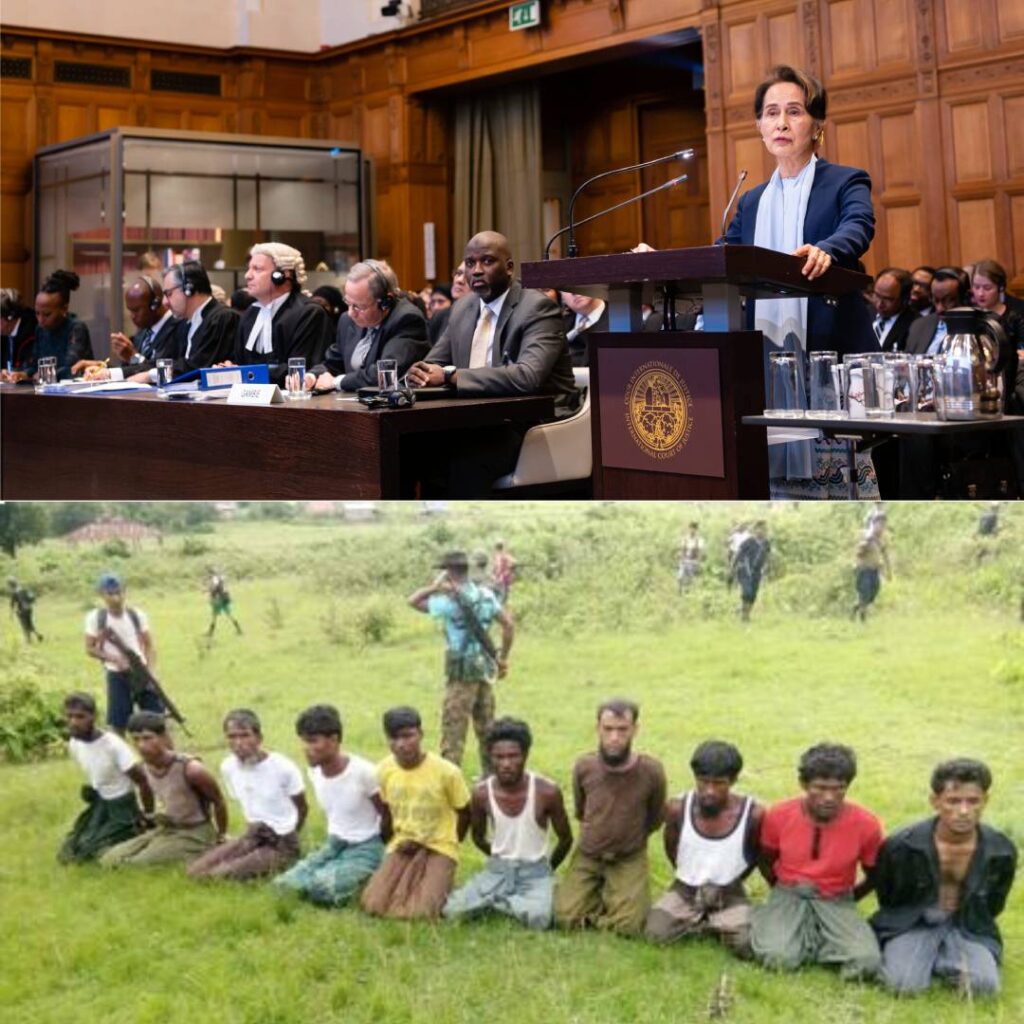
The case titled Application of the Convention on the Prevention and Punishment of the Crime of Genocide (The Gambia v. Myanmar) was initiated when The Gambia filed an application before the International Court of Justice (ICJ) on 11 November 2019. Acting on behalf of the Organisation of Islamic Cooperation (OIC), The Gambia accused Myanmar of committing genocidal acts against the Rohingya Muslim minority in Rakhine State. The application alleged violations of the 1948 Genocide Convention, claiming Myanmar engaged in mass killings, widespread sexual violence, destruction of villages, and the intentional targeting of the Rohingya as a protected group. Over time, 11 States intervened, exercising their right under Article 63 of the ICJ Statute because the case concerns the interpretation of the Genocide Convention, a treaty to which they are all parties.
Following the filing, the ICJ examined urgent requests for provisional measures, and on 23 January 2020, the Court ordered Myanmar to take all necessary steps to prevent acts of genocide against the Rohingya, preserve evidence, and submit regular compliance reports. The case then moved into the preliminary objections phase, where Myanmar attempted to challenge the admissibility and jurisdiction of the Court. In July 2022, the ICJ rejected Myanmar’s objections, confirming that the case could proceed to the merits. Subsequent years saw multiple procedural developments, including written pleadings, additional declarations, and the formal participation of the 11 intervening States, which submitted their own positions on interpretation of the Genocide Convention. The matter progressed slowly due to political changes in Myanmar and the complexity of the evidence.
The ICJ has not yet rendered a final judgment on the merits. The 2020 provisional measures remain in place, but implementation has been widely regarded as inadequate, with reports of continued persecution and restricted humanitarian access in Rakhine State. Myanmar continues to file periodic compliance reports, as required by the Court’s orders, yet The Gambia maintains that violations persist. The next stage is the oral hearings on the merits, in which the Court will examine whether Myanmar breached obligations under the Genocide Convention. No final decision has been issued, meaning the case remains pending, and the provisional measures remain the only binding orders currently in effect.
