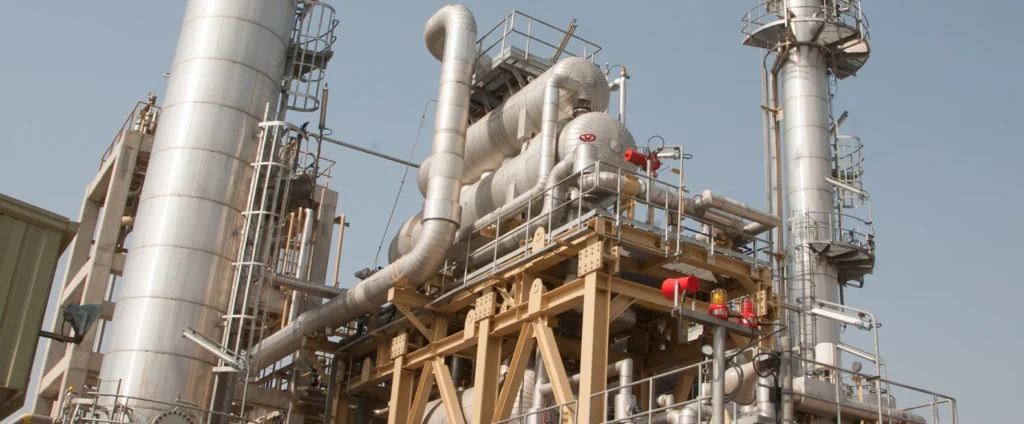
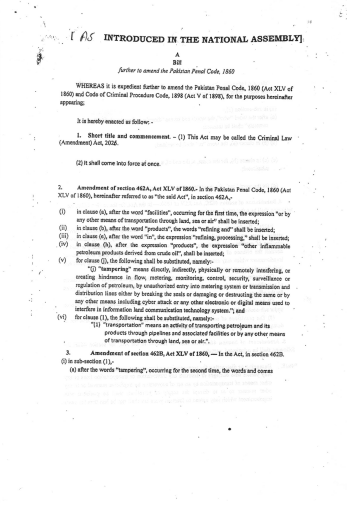
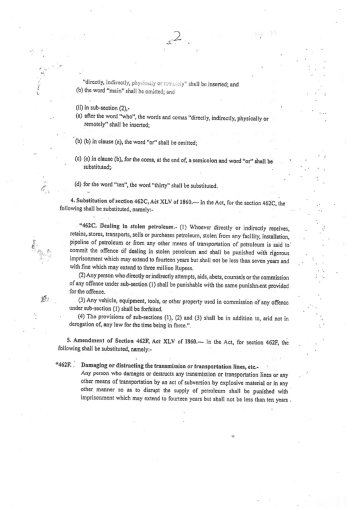
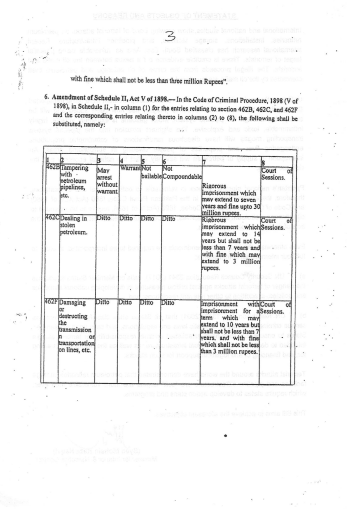
The National Assembly has passed the Criminal Law (Amendment) Bill 2026, introducing major changes to Section 462A, 462B, 462C and 462F of the Pakistan Penal Code (PPC) 1860, along with amendments to the Second Schedule of the Code of Criminal Procedure (CrPC) 1898. The updated provisions expand “tampering” to include cyberattacks, remote interference, and digital manipulation of petroleum monitoring systems, while “transportation” now covers petroleum moved by land, sea, or air. The amendments also extend legal protection to refining and processing facilities. Penalties have been significantly increased, with imprisonment ranging from 7 to 14 years, fines of up to Rs. 3 million, and forfeiture of all equipment and vehicles used in committing these offences. The Bill will become law once it receives final approval from the Senate and Presidential assent.
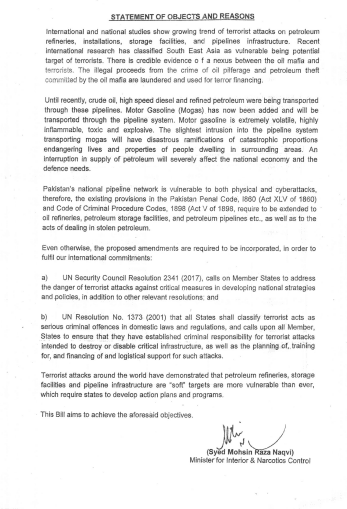
The government states that the primary objective of these amendments is to secure Pakistan’s petroleum infrastructure, which has been increasingly targeted through both physical sabotage and cyber intrusion. According to official documents, recent investigations reveal links between the oil mafia and terror financing, making theft and tampering not only an economic crime but also a national security threat. By broadening definitions and imposing tougher punishments, the government aims to curb illegal siphoning, protect pipelines, and meet international obligations related to safeguarding critical infrastructure.
However, the timing of the amendment has raised concern because it comes amid a sharp rise in petroleum prices, adding financial strain on the public. While authorities argue that reducing petroleum theft and pipeline losses will help stabilize prices in the long run—since these losses often lead to higher consumer rates—citizens are worried that the tougher laws offer no immediate relief. Economists caution that although stronger legal controls may eventually reduce operational losses in the petroleum sector, households and businesses continue to feel the pressure of escalating fuel costs today.
